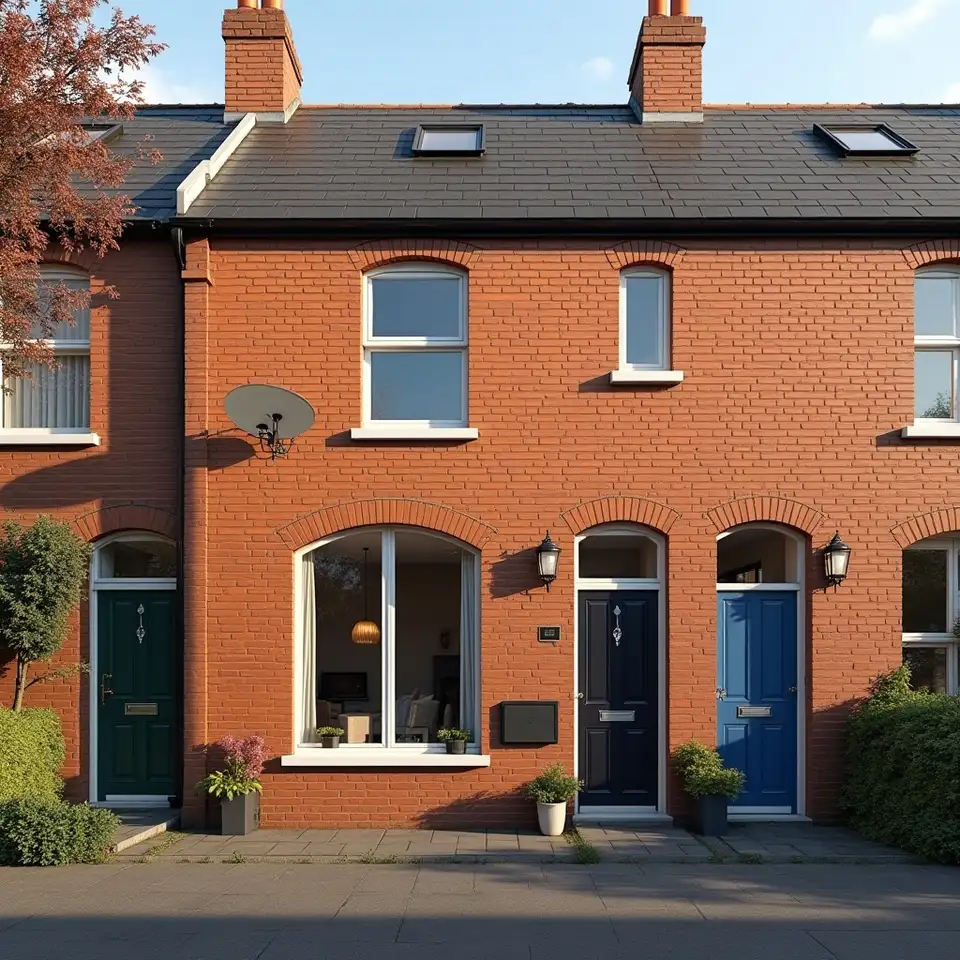
Modern Irish residential property for sale

Find Your Home

Learn how to spot the right property before you sign anything

Buying a property is one of the biggest decisions you will ever make. We walk you through what to look for, what to ask, and what to watch out for — so you can move forward with confidence.

Talk to us

Why Location Matters

Picture two properties listed at the same price. One sits close to a good school, a train stop, and a local shop. The other is a few kilometres further out, with no nearby services. On paper they look similar. In daily life, they feel very different. Location shapes how you live in a home — and how easy it will be to sell it later. When you look at a property, start with the street and work outward. Is the area well kept? Are there plans for new roads or developments nearby? Check the local authority planning portal for approved schemes. Drive the route to work at rush hour. Walk to the nearest shop. These small steps give you a clearer picture than any brochure will. In Ireland, the Property Price Register is a public record of every home sale. Use it to see what similar properties on the same road sold for over the past few years. That data tells you whether the asking price is fair. A good location does not have to mean the most expensive area. It means the right fit for how you actually live — now and in five years' time.

What to Check Before You Make an Offer

Property inspector reviewing a home in Ireland

A short checklist can save you from a costly surprise later

Before you put in an offer, there are a handful of checks that every buyer should run. They take a little time but can save you a great deal of money and stress down the line.

Start with a structural survey from a registered engineer or architect. A basic valuation report is not enough. A full survey will flag damp, roof wear, subsidence, or outdated wiring — issues that are expensive to fix after you move in.

Next, ask your solicitor to review the title documents carefully. In Ireland, properties can carry legal burdens — rights of way, restrictive covenants, or unregistered extensions — that only show up in the deeds. A thorough title check protects you before contracts are signed. Also confirm planning permission for any extensions or conversions. If the seller added a room without permission, you inherit that problem. The local authority planning file is public — your solicitor can check it.

Buying a home in Ireland involves several legal and structural steps that are easy to overlook when you are excited about a property. A structural survey from a qualified professional gives you an honest picture of the building's condition. Your solicitor's role goes beyond paperwork — they protect your legal interest at every stage. Title checks, planning searches, and a careful read of the contract are all part of a sound buying process. Taking these steps before you exchange contracts means you make your decision with full information, not just hope.

Understanding the Buying Process

Many first-time buyers in Ireland are surprised by how many steps there are between viewing a home and getting the keys. Knowing what comes next at each stage helps you stay calm and move quickly when it matters. The process typically begins with mortgage approval in principle. This tells you — and the seller — what you can afford. Without it, your offer may not be taken seriously. Once you have that in place, you can view properties with a clear budget in mind. When you find the right home, you make an offer through the estate agent. If accepted, you pay a booking deposit. This is not legally binding at this stage — either side can still walk away. Your solicitor then receives the contracts from the seller's solicitor. This is where the detailed legal work begins. Your solicitor checks the title, raises any queries, and advises you before you sign. Once both sides sign contracts and you pay the full deposit — usually ten percent — the sale becomes legally binding. The closing date is then agreed, the balance of funds is transferred, and you collect the keys. From offer to closing, the process in Ireland typically takes eight to twelve weeks, depending on the chain. Staying in regular contact with your solicitor and mortgage provider keeps things moving.

Costs Beyond the Price

The purchase price is only part of what you will pay. Many buyers are caught off guard by the additional costs that come with buying a home in Ireland. Knowing these in advance helps you plan your finances properly. Stamp duty is charged at one percent of the purchase price for residential properties up to five hundred thousand euros, and two percent above that threshold. Your solicitor's fees typically range from one to two percent of the purchase price, plus VAT and outlays. A structural survey will add to that. If you are taking out a mortgage, your lender will require a valuation report — this is a separate cost from your own survey. You will also need buildings insurance in place from the date you exchange contracts. Moving costs, utility connections, and any immediate repairs or redecoration should also be factored in. A rough rule of thumb is to set aside an additional three to four percent of the purchase price to cover all buying costs. That buffer helps you avoid being stretched thin on the day you move in. Planning for these costs early means no unpleasant surprises at the closing table.

Four Things Every Property Buyer Should Know

Whether you are buying your first home or your third, these four points make the process smoother and help you avoid the most common mistakes buyers make in Ireland.

Research the area before you fall in love

Check transport links, local services, and planning permissions nearby. Visit at different times of day. What looks quiet on a Sunday morning may feel very different on a weekday evening.

Do your homework

Never skip the structural survey

A qualified engineer's report shows you what the seller's brochure will not. Damp, roof wear, and wiring issues are far cheaper to discover before you sign than after you move in.
Inspect first

Let your solicitor do their job fully

A good solicitor does more than handle paperwork. They check the title, flag legal issues, and make sure you know exactly what you are buying before you commit to anything.
Legal clarity

Budget for all costs, not just the price

Stamp duty, legal fees, survey costs, and moving expenses add up. Setting aside a realistic buffer means you arrive at closing day prepared, not stretched.

Full cost view

Homes Worth Looking At

Cookies on This Site

We use cookies to keep the site working and to understand how visitors use it. Under GDPR, we need your consent before placing non-essential cookies on your device.

Essential Cookies

These keep the site running correctly. Without them, pages may not load and basic features will not work as expected.

Analytics Cookies

These help us see which pages are read most and how visitors move through the site, so we can improve the content over time.

Functional Cookies

These remember choices you have made, such as your region, so the site feels consistent across visits without you resetting preferences each time.

Third Party Cookies

Some embedded content, such as maps, may set their own cookies. We do not control these directly — check the relevant provider's policy for details.